

About This Park
The Star-Spangled Banner National Historic Trail is a collection of sites impacted by the War of 1812. These local, historic sites tell the story of the Chesapeake Campaign, culminating in the writing of our National Anthem. In addition to their historic significance, many of the sites along the trail are fantastic places to go for a walk, explore the outdoors, and access local waterways.
Activities
Current Alerts
We cannot mail out at this time
We do not mail Junior Ranger books; please download from site. Completed books may be submitted digitally. Junior Ranger badges may be mailed once per person per calendar year after completion. We do not mail completed books back.
More detailsLoading map...
Photos

Historic Sotterley
Credit: Frank Greenwell

British forces set fire to the original home of the U.S. president on August 26, 1814.
Credit: NPS/ T. Adams

The Sassafras River Water Trail is one of the many paddle trails to explore along the Star-Spangled Banner Trail
Credit: Sultana Education Foundation/Chris Cerino

Living history at Fort McHenry National Monument and Historic Shrine.
Credit: Office of the Governor/Jay Baker
Plan Your Visit
Star-Spangled Banner National Historic Trail
The Star-Spangled Banner National Historic Trail is not a clearly marked hiking trail. Instead it is a route that passes through communities, urban areas, and public lands. The route travels across a variety of land ownerships and management, including private land. Each location varies as to the hours of operations and access. Please contact individual trail sites before your visit for more information.
Visitor Centers
Fort McHenry National Monument and Historic Shrine
The trail has many points of entry and exploration along its auto route and water route. The visitor center at Fort McHenry serves as the trail's headquarters and visitor center. A short 10-minute orientation film is shown two times per hour. Restrooms, exhibits and a gift shop are also located in the building.
Operating Hours
The park is three miles southeast of the Baltimore Inner Harbor and just off I-95. Follow the brown Fort McHenry directional signs along all major routes to the park. From I-95 northbound, take Exit 55 Key Highway and follow Fort McHenry signs.
More detailsFort McHenry National Monument and Historic Shrine
The trail has many points of entry and exploration along its auto route and water route. The visitor center at Fort McHenry serves as the trail's headquarters and visitor center. A short 10-minute orientation film is shown two times per hour. Restrooms, exhibits and a gift shop are also located in the building.
Operating Hours
The park is three miles southeast of the Baltimore Inner Harbor and just off I-95. Follow the brown Fort McHenry directional signs along all major routes to the park. From I-95 northbound, take Exit 55 Key Highway and follow Fort McHenry signs.
More detailsThings to Do
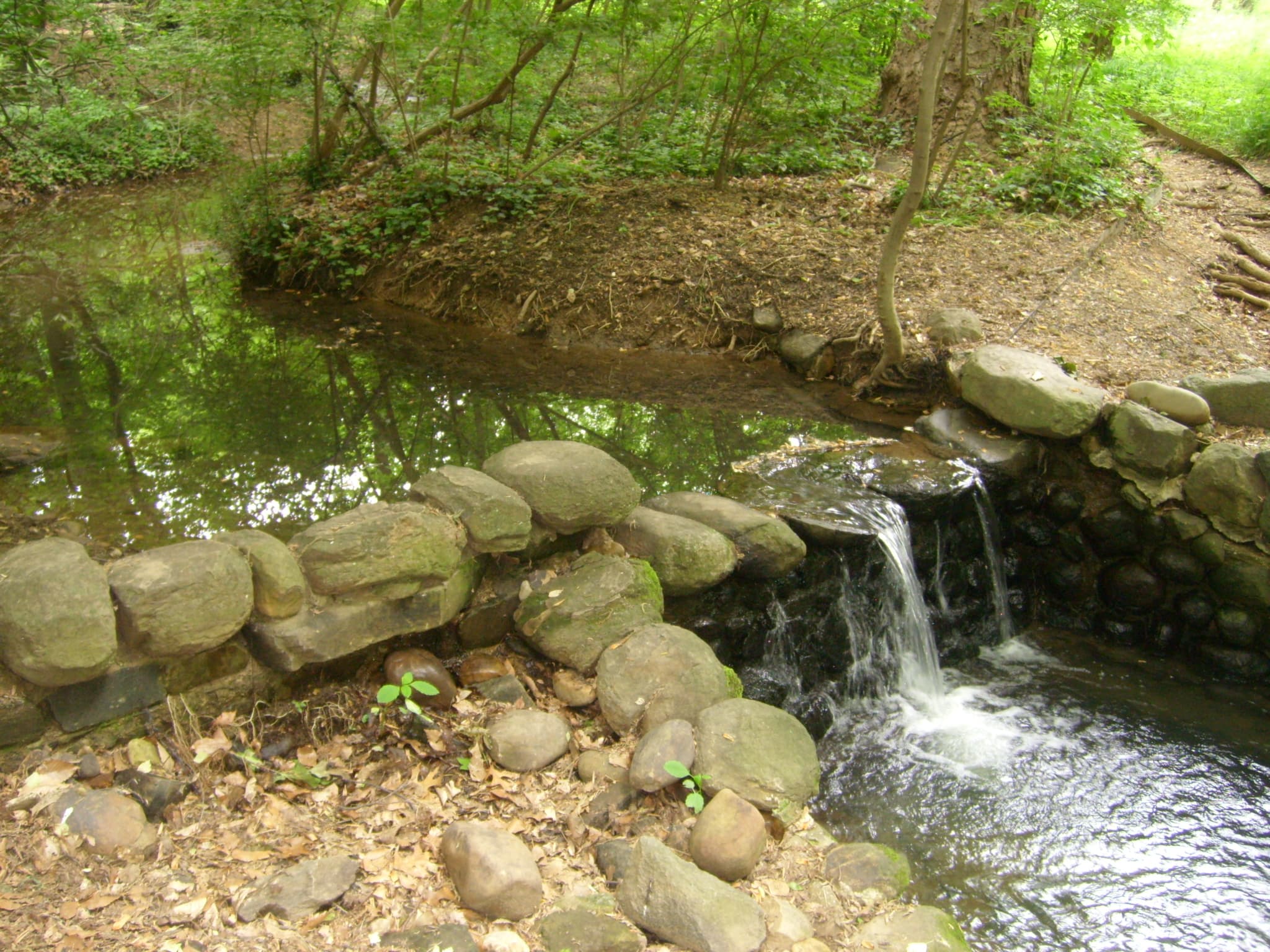
Multi-Park Loop
Park your car and stretch your legs! Visit four different National Parks in Washington, DC and begin logging miles on se...
Learn more
Paddle the Baltimore Blueway
Choose from 30 miles of trails in the Inner Harbor, Outer Harbor, Middle Branch, and Patapsco River. Imagine yourself gl...
Duration: 1-6 Hours
Learn more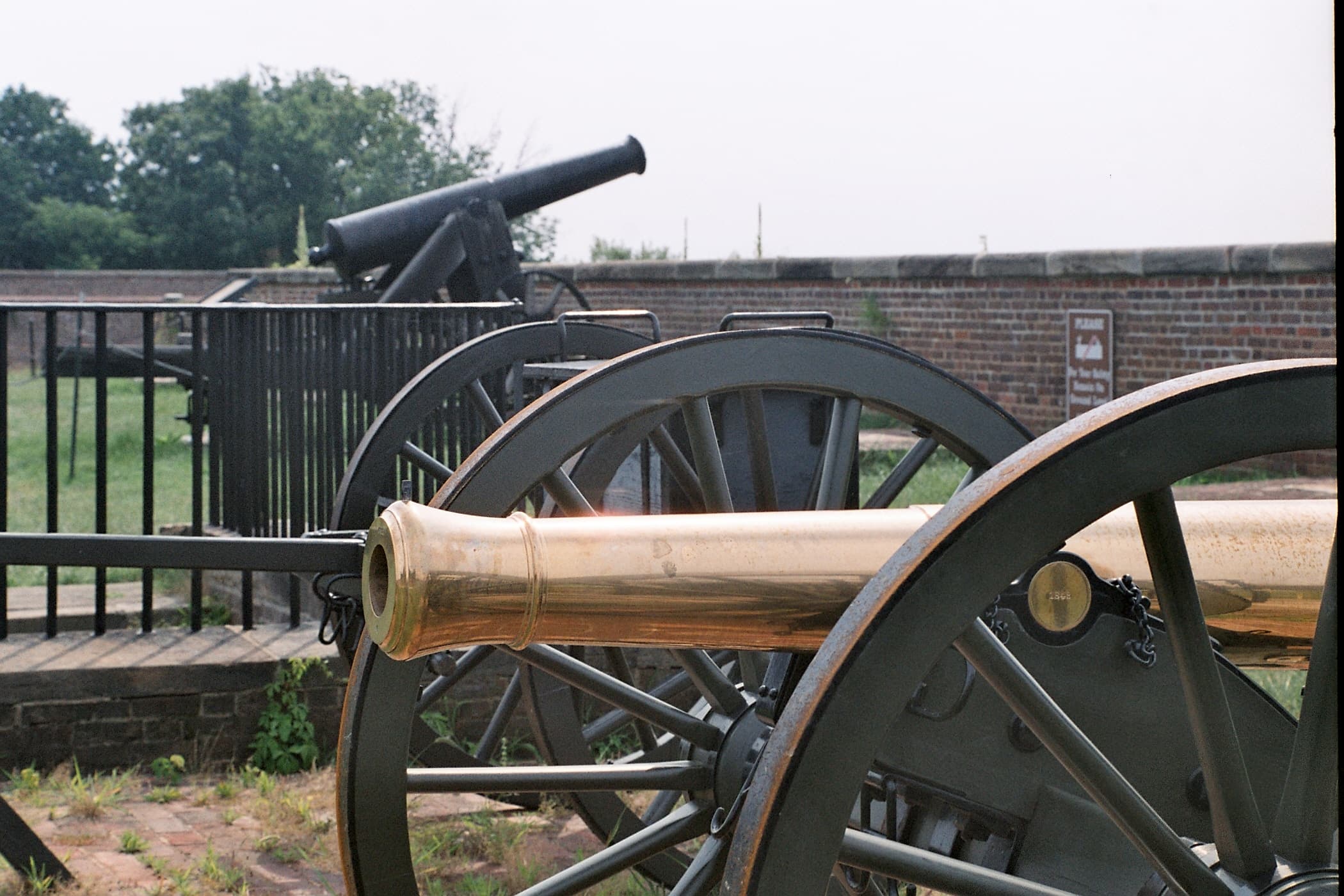
Watch an Artillery Demonstration at Fort Washington Park
Ever wonder how Civil War cannons were fired? Visit the park the first Sunday of every month from May to November to wat...
Duration: 15-90 Minutes
Learn more
Bicycle between Point Lookout and Leonardtown, MD
Bicycling on a section of the Southern Maryland PHT On-Road Bicycling Route between Point Lookout and Leondardtown, MD
Duration: 4-10 Hours
Learn more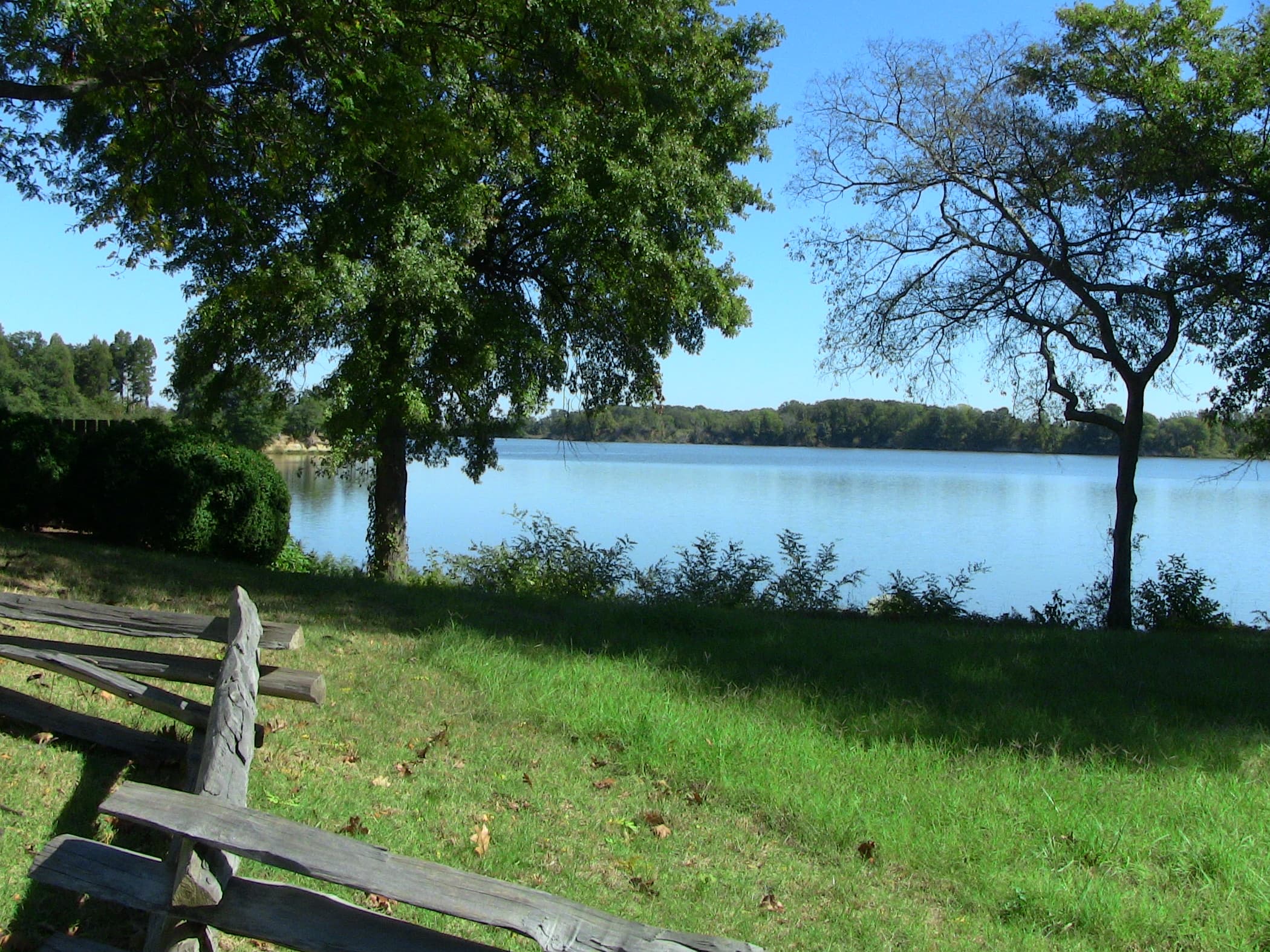
Explore by bicycle from Westmoreland State Park
With Westmoreland State Park as a base, ride a loop connected with the Northern Neck Heritage Trail to explore Stratford...
Duration: 1 Day
Learn more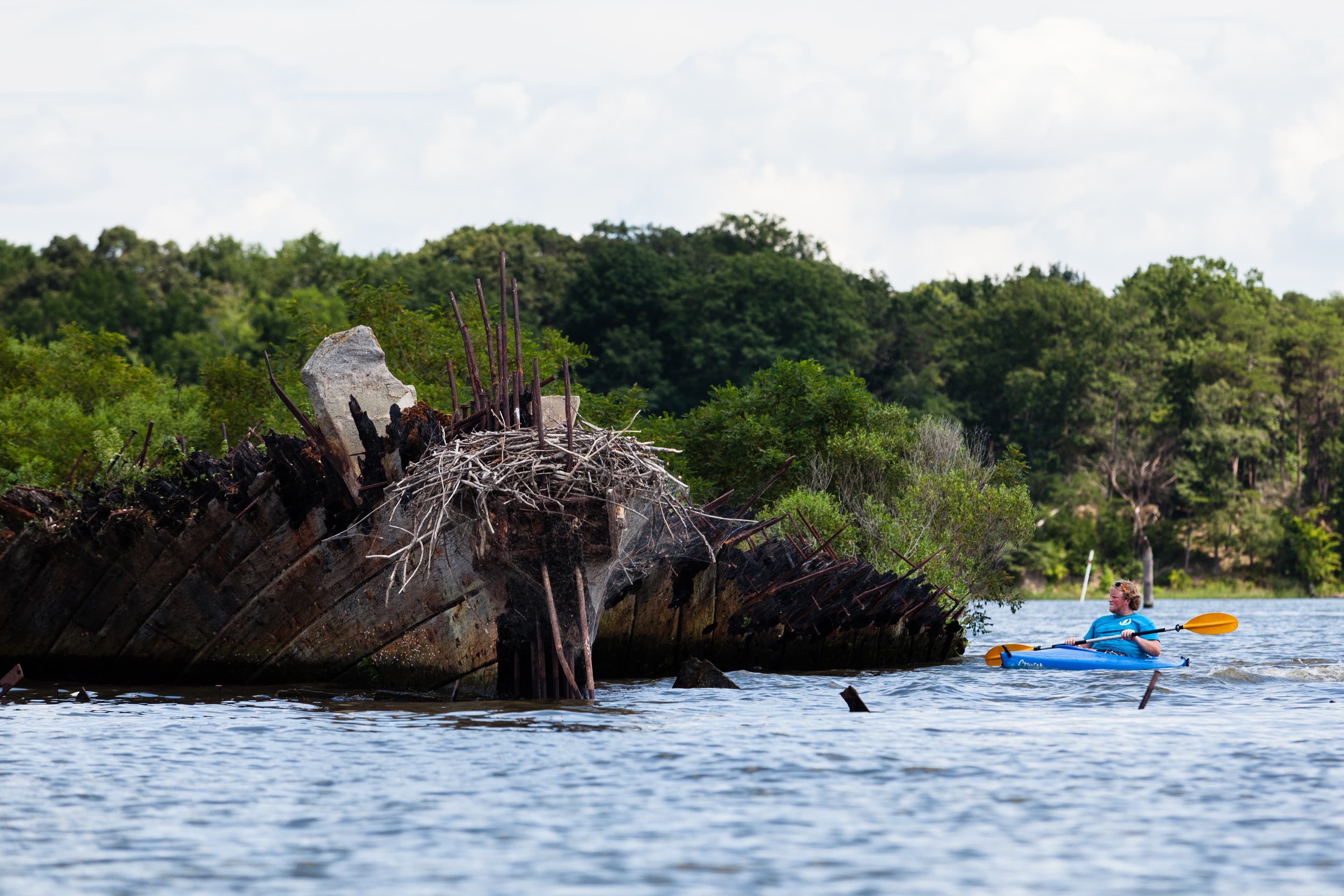
Paddle the Potomac River
Beginning at Jennings Randolph Lake to the mouth of the Potomac, you may choose to paddle the 355 miles to the Chesapeak...
Learn moreLesson Plans
Cast Your Vote! Americans and the War of 1812
At the end of this lesson, students will be able to explain the arguments for and against going to war in 1812 and evaluate America’s best option. Focus Question on for the Lesson: Should the United States have gone to war in 1812?
View on NPS.gov(opens in new tab)Defending the Chesapeake Region!
Students will explain how the physical features of a place affect the way people engage in conflict by analyzing and comparing the geographic characteristics and War of 1812 battles of Washington, DC and Baltimore.
View on NPS.gov(opens in new tab)Live from 1812!
Students will act out newscasts taking place in different parts of the country during the War of 1812. Four groups will portray four unique experiences using primary and secondary source readings to prepare for the role-play. At the end of the lesson,students will share what they learned in a “Letter to the Producer" to answer the question: How did the War of 1812 impact the daily life of citizens economically and socially?
View on NPS.gov(opens in new tab)Saving History: The White House, Dolley Madison and the War of 1812
Please see a list of learning objectives in the Background Information section.
View on NPS.gov(opens in new tab)What Caused the War of 1812? Modified Lesson Plan for Students with Special Needs
Objective: By the end of the lesson, students will be able to identify at least one reason why the US went to war with the British and support it with evidence from a primary source document.
View on NPS.gov(opens in new tab)Explore the full collection of educator resources from the 9/11 National Memorial Trail.
Part of the 9/11 Trail
Star-Spangled Banner National Historic Trail is one of the National Park Service sites connected by the 9/11 National Memorial Trail, a 1,500+ mile pathway of remembrance linking the three 9/11 memorial sites.
Park information provided by the National Park Service. Data refreshed daily.